
If you’re thinking about a new boiler installation, you’re probably weighing up cost, disruption and whether it’s really worth it. I’ve lost count of the number of kitchens I’ve stood in across Oxfordshire where homeowners ask, “Should we fix it one more time, or is it finally time to change the whole thing?”
Upgrading your heating system is a big decision, but it doesn’t have to be stressful. Once you understand the process and your options, it becomes much easier to make a sensible choice for your home and your budget.
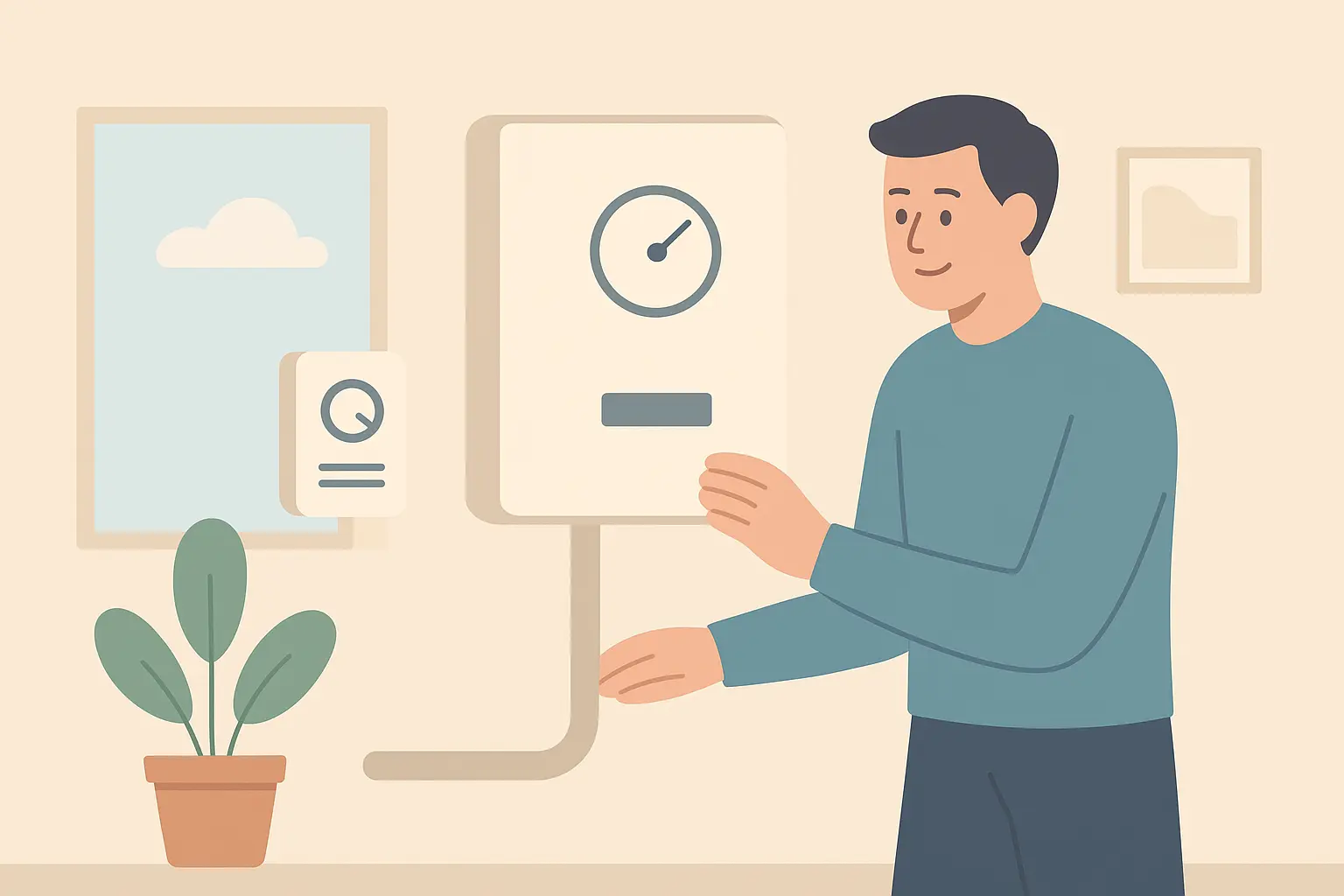
Why Upgrade Your Heating System?
Most people don’t upgrade their heating because they’re bored of it. They do it because something isn’t working as it should. That might be rising gas bills, cold spots around the house or a boiler that seems to need attention every winter.
Newer systems are significantly more efficient than models installed 15 or 20 years ago. Modern condensing boilers extract more heat from the same amount of fuel, which means less wasted energy going up the flue. For a typical three bed semi, that difference can be noticeable over the course of a year.
There’s also peace of mind. No one enjoys that slight dread when the temperature drops in January and the boiler starts making new noises.
Signs It’s Time for an Upgrade
Some systems clearly need replacing. Others creep up on you. These are the signs I point out to customers in places like Princes Risborough, Thame and Witney when we carry out surveys:
- Your boiler is over 12 to 15 years old
- Frequent breakdowns or expensive replacement parts
- Radiators taking a long time to heat up
- Hot water running out quickly
- Rising heating bills without increased usage
- Yellow flame or sooting around the appliance
If you’re a landlord, an overdue safety check is another warning sign. Staying on top of your CP12 is essential. If that’s on your radar, have a look at this guide to CP12 certificates to understand what’s involved.
Types of Heating Systems Available in the UK
Not every home suits the same setup. The right system depends on property size, water demand and existing pipework.
Combi Boilers
Combi boilers are common in UK homes. They heat water on demand and don’t require a separate cylinder. They’re ideal for flats and smaller houses with one bathroom. The main limitation is water pressure. If two showers run at once, you’ll notice it.
System Boilers
A system boiler uses a hot water cylinder but keeps most components built into the unit itself. They’re well suited to larger properties where multiple taps and showers are used at the same time.
Regular Boilers
Also known as conventional or heat only boilers, these work with a separate cylinder and cold water tank. They’re often found in older properties. In some cases we upgrade like for like, particularly if pipework layout makes changing complicated.
Heat Pumps
Air source heat pumps are growing in popularity, especially where insulation is good and there’s outdoor space. They work differently from boilers and require larger radiators or underfloor heating to perform at their best. They’re not suitable for every property, so a proper assessment matters.
What Happens During Installation?
One of the most common worries is disruption. People imagine floors up and house turned upside down. In reality, a straightforward boiler swap can often be completed within a day.
The process usually looks like this:
- Initial survey to assess your current system and heating needs
- Clear quote outlining equipment and labour
- System drain down
- Removal of old boiler
- Installation of new unit and any upgraded controls
- System flush if required to remove sludge
- Testing and commissioning
- Explanation of controls and thermostat use
If we’re relocating the boiler, adding new radiators or upgrading pipework, it naturally takes longer. I always advise customers to plan for a bit of noise and limited heating or hot water during the work, especially in colder months.
Good installers will also talk you through smart thermostats and zoning. Used properly, modern controls can make a noticeable difference to comfort and efficiency.
Costs and Energy Efficiency Benefits
Costs vary depending on the type of boiler, complexity of the job and whether additional work is needed. A simple like for like swap is less involved than converting from a regular boiler to a combi.
What homeowners often overlook is long term efficiency. An old non condensing boiler might only convert around 60 to 70 percent of fuel into usable heat. Newer A rated models operate at above 90 percent when correctly set up. Over several winters, that difference adds up.
There’s also the question of reliability. Fewer breakdowns mean fewer emergency call outs and less stress when temperatures dip below freezing. I remember one January in Oxfordshire where we had a week of minus temperatures and the older systems really struggled.
Choosing the Right Installer
No matter how good the boiler is, poor installation will cause problems. Always check the engineer is Gas Safe registered. For heat pumps, look for relevant accreditation and experience.
A proper installer will:
- Carry out a heat loss calculation where appropriate
- Advise on radiator suitability
- Discuss flue position and condensate routing
- Be clear about warranty terms
- Explain ongoing servicing requirements
Servicing is not optional if you want your warranty intact. Annual checks keep the system safe and running efficiently. If your home electrics also need attention during an upgrade, for example when fitting new controls, it’s worth understanding how heating and electrical systems work together safely.
Conclusion and Next Steps
Upgrading your heating system is not just about replacing a metal box on the wall. It’s about improving comfort, reducing energy waste and making sure your home is ready for the colder months.
If your current setup is ageing or unreliable, start with a proper assessment rather than waiting for a mid winter breakdown. Ask questions. Understand your options. Make sure the system suits your household’s daily routine.
If you’d like straightforward advice tailored to your home in or around Oxfordshire, the team at Oxtech Facilities can help you weigh up your options and plan the work properly. You can get expert advice or request a quote today and take the first step towards a more efficient and reliable heating system.
Pingback: LPG vs Oil Heating: Which Is Better Off-Grid? | Oxtech Facilities