
If you’ve got a boiler that’s pushing 15 years old, you’re probably starting to wonder how much life it’s really got left. I get asked this most weeks by homeowners who’ve just had a repair bill land or noticed their energy costs creeping up. As a central heating engineer in Oxford, I’ve seen plenty of older systems soldier on… and plenty finally give up on the coldest day in January.
Age matters when it comes to boilers. Not just for efficiency, but for reliability and safety too. So let’s look at whether replacing yours now makes sense, or whether it’s worth squeezing a few more winters out of it.
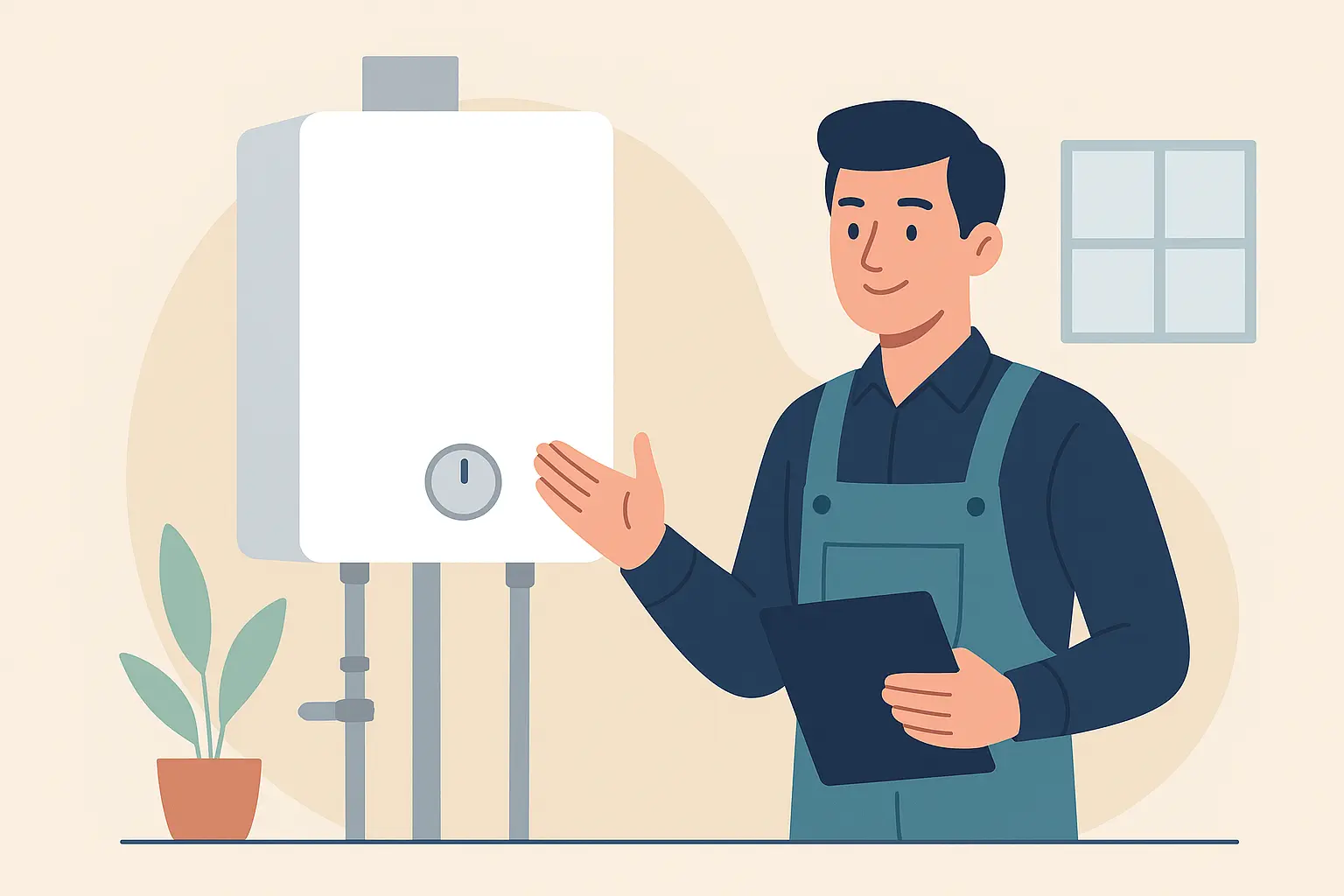
How long should a boiler last? Typical lifespan explained
Most modern gas boilers are designed to last around 10 to 15 years. Some well looked-after models make it to 18 or even 20 years, but that’s the exception rather than the rule.
The lifespan depends on a few key things:
- How regularly it’s been serviced
- The quality of the original installation
- Water quality and whether a filter was fitted
- How hard it’s worked over the years
I still come across older non-condensing boilers in places like Princes Risborough and Bicester that were fitted when houses were built in the early 2000s. They were solid bits of kit in their day, but compared to today’s standards they’re far less efficient.
If your boiler is 15 years old, it’s at the stage where you should be thinking about replacement, even if it’s still running.
Key signs your 15-year-old boiler needs replacing
Some boilers tick along quietly and reliably. Others start to give you clues that they’re on borrowed time.
Here are the common warning signs I see in homes across Witney and the surrounding areas:
- Frequent breakdowns or recurring fault codes
- Parts becoming difficult or expensive to source
- Strange noises like kettling or banging
- Longer warm-up times for heating and hot water
- Rising gas bills despite similar usage
One question I hear a lot is, “If it’s still working, why replace it?” The honest answer is reliability. A boiler that’s breaking down every winter is costing you money in call-outs and stress, even if the individual repairs seem manageable.
Repair vs replacement: Cost comparison and long-term savings
This is usually the deciding factor.
If your 15-year-old boiler needs a minor repair and it hasn’t given you much trouble before, it may well be worth fixing. But if you’re facing a major component failure such as a heat exchanger or PCB on an older model, it’s often throwing good money after bad.
Here’s how I normally explain it to customers:
- If repair costs start stacking up year after year, you’re effectively paying in instalments for a boiler you’ll eventually replace anyway.
- Older boilers are less efficient, so you’re spending more on gas each month.
- New boilers come with warranties that give peace of mind.
When you look at the bigger picture over five to ten years, replacement often works out cheaper than repeated repairs on an ageing system.
If you’re weighing up your options, it’s worth understanding what’s involved in a modern boiler installation so you can make a proper comparison.
Energy efficiency gains: How a new boiler can reduce bills
Efficiency has improved significantly over the past 15 years. Older non-condensing boilers can run at around 60 to 70 percent efficiency. Modern A-rated condensing boilers are typically over 90 percent efficient when set up properly.
In simple terms, that means more of the gas you pay for is converted into usable heat for your home.
I’ve had customers in Witney replace 15 to 20 year old systems and notice a clear drop in their monthly gas usage. The savings depend on the size of the property and how you use your heating, but the difference can be noticeable.
Pair a new boiler with modern controls such as smart thermostats and weather compensation, and you’ll squeeze even more efficiency out of your system.
Safety considerations with older boilers
Safety is something homeowners often overlook until there’s a problem.
Most older boilers are safe if maintained properly, but components do deteriorate over time. Seals perish, flues corrode and ignition systems wear out.
The main risks I look out for with ageing boilers include:
- Carbon monoxide risks due to poor combustion or flue issues
- Lack of modern safety features
- Corrosion in sealed system components
A yearly service will pick up most problems, but if a boiler is showing its age internally, replacement can be the safer long-term option.
Choosing the right replacement boiler for your home
If you do decide to replace, it’s not one-size-fits-all.
You’ll need to consider:
- The size of your property
- Number of bathrooms
- Hot water demand
- Existing pipework and system condition
Combi boilers suit many smaller homes, while system or regular boilers can be better for larger properties with higher hot water demand.
If you’re unsure which make to choose, it’s helpful to compare reputable brands. There’s useful information in this piece on the best Worcester Bosch boilers for UK homes, which explains the differences clearly.
The key is matching the boiler to the property, not just picking the most powerful model available.
Conclusion: When replacing your boiler makes the most sense
If your boiler is 15 years old and running well with no major faults, you may get another year or two from it with regular servicing. But if it’s breaking down, parts are hard to find or your energy bills are climbing, replacement is usually the sensible move.
In my experience, homeowners feel relieved once they’ve made the decision. No more hoping it’ll last through another cold snap. Just reliable heating and hot water when you need it.
If you’d like honest advice about your current setup, you can get in touch here for expert guidance or request a quote. The team at Oxtech Facilities are always happy to assess your system properly and help you weigh up whether repair or replacement is the better route for your home.


Pingback: Why Oil Boilers Need an Annual Service | Oxtech Facilities